
|
|
|
Three New Faculty Appointed
more news... Faculty DepartBoone Moves to RockfordDr. Diane Boone left the department on April 8, 2000, to join a multispecialty group practice with Rockford Memorial Hospital in Rockford, Illinois. She will be working with three other comprehensive ophthalmologists. Her husband, Dr. Kendall Boone, will be part of the same practice, working with two other vascular surgeons. They are pleased to be close to family who live in the Rockford area. Dr. Boone joined the department in July 1993 as a resident. After graduating from her residency, she was appointed in comprehensive ophthalmology as an associate in 1996, and as assistant professor in July 1998. Dr. Boone developed a very strong following among the faculty, staff, and her patients. She proved to be an excellent diagnostician and surgeon and perfect role model. Her skills, dedication, and support of everyone she came in contact with will be missed.
Folberg Appointed Head at ChicagoIn mid-January, Dr. Robert Folberg departed to take up the chairmanship of the Department of Pathology at the University of Illinois at Chicago. Dr. Sherry Chen, ocular pathology fellow, also moved to Chicago to continue her fellowship under Dr. Folberg's tutelage. Dr. Folberg was first appointed assistant professor of ophthalmology at The University of Iowa in 1984. He was promoted to associate professor of ophthalmology and pathology in 1987, and named Frederick C. Blodi Professor of Ophthalmology and Professor of Pathology in 1991. A faculty committee is involved in recruitment of an ophthalmic pathologist, vision scientist, and clinician. Meanwhile, the Blodi Ocular Pathology Laboratory is running smoothly after having made some adjustments. Dr. Gary Baumbach, professor of pathology, who holds board certification in both ophthalmology and pathology and trained under Dr. Fred Blodi, and Dr. Pat Kirby, clinical assistant professor of pathology, who has interest and experience in eye pathology, are providing coverage. Long-time technician Christy Ballard is continuing to do the technical work. Lynn Gardner, who now works in Dr. Mary Hendrix' lab in Anatomy, is assisting as a back-up for Ballard. Planned renovation of the lab is proceeding. Residents continue to rotate through the lab, and Dr. Folberg will be giving telemedicine presentations from Chicago to us as well as to West Virginia University in order to maintain Residency Review Committee accreditation. Dr. Folberg's expertise in ophthalmic pathology, research, and teaching will be missed. He established an international reputation for his work on ocular melanoma and had a highly sought after fellowship training program. "Together, we have a vision for the future." Allen's Book Describes ARMD Experience
As of Sept. 1, 2006, This book is out of print. A limited number of copies are still available through The University of Iowa Department of Ophthalmology & Visual Sciences Administration Office. House Staff NewsPediatric Fellow Appointed
Physicians GraduateFour residents and two fellows completed their training on December 31. Dr. Richard Allen is remaining with us until July 1, to continue research in molecular ophthalmology and clinical training as a fellow in comprehensive ophthalmology. He will then join the full-time faculty in Comprehensive Ophthalmology at the Cullen Eye Institute at the Baylor College of Medicine in Houston, Texas. Dr. Susan Mosier Brown has begun private practice under her professional name, Dr. Susan Mosier, in Manhattan, Kansas. Following her departure a grateful patient, Mr. Henry Lee, donated $30,000 to honor Dr. Brown for her care. The funds will be used to support ophthalmic education. (See story below) Dr. Andrea Lusk joined a private practice in comprehensive ophthalmology in Florence, South Carolina. Dr. Chris Hess moved back to his home state of Utah where he is practicing ophthalmology in the city of Layton. Dr. Kristie Shappell, although officially graduated from her fellowship in Pediatric Ophthalmology, continued to see patients in Pediatric Ophthalmology through January and February. She also continued to pursue research in the Molecular Ophthalmology Laboratory until May 1. In May, she joined the Gunderson Clinic in LaCrosse, Wisconsin, where she will practice pediatric ophthalmology seeing patients in Wisconsin and in Decorah, Iowa. Oh Honored
Faculty Involved in ResearchHayreh Receives Research Award
During the last half of January and throughout February, Dr. Hayreh was on an extended lecture tour to India. He was invited as a visiting professor by six major ophthalmic institutes in southern and central India, and also lectured in Bombay, Madurai, Madras, Hyderabad, Ahmedabad and Amritsar. At Hyderabad, Dr. Hayreh gave the Syamala Bhaskaran Oration and presented a paper at the annual Indian Eye Research Group meeting. He was guest of honor at the annual conference of the Indian Vitreoretinal Society. Dr. Hayreh described his tour as being "the equivalent of going in Europe from London to Madrid to Rome to Vienna to Berlin to Stockholm." Even though he was in only one country, India's "language, culture, history, food and all else is so very diverse" as to equate to the differences among these many European cities. "My only mode of communication was English except at one place in the North, and their food and culture are also alien to me." Numerous Clinical Trials OngoingSeveral of our physicians are involved in multi-center trials focusing on ocular problems. Dr. John Sutphin is a co-investigator of the Cornea Donor Study (CDS) which has partial support from the NEI. He will recruit patients from those scheduled through The University of Iowa Cornea Service only. The study seeks to determine if donor age affects outcome in corneal transplants done for patients with corneal edema and to see if blood type matching affects transplant outcome. Out of concern that the donor pool will shrink with the widespread adaptation of refractive surgery and the aging of the population, the trial is intended to expand the donor pool by including older donors not currently regarded as acceptable by all surgeons. Although, there is no data to suggest that older donors have higher failure or rejection rates, the bias of surgeons has limited their use. Each subject will be followed for five years. The study is coordinated by Deb O'Meara and Connie Mullinix in the clinic and Garret Locke in the Eye Bank. Drs. John Sutphin, Michael Wagoner and John Halgren are also involved in a planned study of gatifloxacin for bacterial conjunctivitis. When the study is approved, they will recruit 10 patients age one and older with acute bacterial conjunctivitis. The trial will be a randomized, multicenter comparison between the new flouroquinole gatifloxacin 0.3% and the approved oculflox 0.3% for safety and efficacy in reducing the clinical signs of acute bacterial conjunctivitis (injection and discharge). Lisa Milder is clinic coordinator. Dr. James Folk is principal investigator for the clinical center at Iowa for the Complications of Age-Related Macular Degeneration Prevention Trial (CAPT). The trial is a nation-wide randomized controlled study of whether laser treatment in eyes with early AMD prevents vision loss. Other Iowa co-investigators include Drs. Culver Boldt, Karen Gehrs, and Steve Russell. Dr. Folk is very pleased with recruitment for the trial and wishes to thank referring physicians for their tremendous support. Dr. Folk is also principal investigator at Iowa of the NIH-sponsored Submacular Surgery Trial. The purpose of the study is to determine whether surgery to remove choroidal neovascularization under the macula due to histoplasmosis or idiopathic diseases improves vision over observation alone. Dr. Culver Boldt has taken over as principal investigator for the Photograph Reading Center of the Collaborative Ocular Melanoma Study (COMS). Dr. Weingeist resigned as PI last August due to time constraints, but remains as a consultant for the center. He is also continuing as PI for the COMS Clinical Center at Iowa. COMS is no longer recruiting patients, but continues patient follow-up at approximately 40 centers throughout the U.S. and Canada. Dr. Boldt is studying patient photographs received at the PRC and grading them for radiation retinopathy. The purpose of COMS is to evaluate and compare therapeutic interventions, i.e. enucleation vs. I-125 brachytherapy, for patients with choroidal melanoma. The study, funded by NEI, began more than 10 years ago and is expected to continue through 2003.
Faculty Donate ServicesDrs. Steve Russell (vitreoretinal), Keith Carter (oculoplastics), and John Sutphin (cornea/external diseases) have traveled long distances this past year to give their expertise and time to people in great need elsewhere in the world. In October, Russell traveled to Changsha, China, and Dr. Carter to Cebu City, Philippines, for Project ORBIS. ORBIS is an international charity dedicated to fighting curable blindness around the world. Recognizing that 148 million people throughout the world are blind or at great risk of becoming blind, and that two-thirds of them could be cured with the proper medical treatment, ORBIS sends doctors and nurses around the world to restore sight. More importantly, ORBIS trains local doctors and nurses in medical skills needed to ensure this vital work continues. For more information, see the ORBIS website: http://www.resolink.com/orbis/ In March, Dr. Sutphin traveled to Haiti with a group of seven other adults and eight youths (including his son Grant) for the Haitian American Friendship Foundation (HAFF). While there, Dr. Sutphin provided medical care and taught nurses how to refract and dispense glasses. He also delivered eight boxes of glasses provided by Pat Mason, Director of the Iowa Lions Eye Bank, and the UI Lions Club. He did not perform surgery on this trip, but did take a survey and may do surgery on future trips. The mission was led by Cheryl Johnson, MD, family care physician in North Liberty, with her brother, Randy Hausler, youth pastor at Iowa City's St. Andrew Presbyterian Church. The group performed building and maintenance as well as teaching and medical care. HAFF is a private, nonprofit, religious group headquartered in Florida. Dr. Lee Alward is headed for Chengdu, China, with ORBIS, June 2-14, 2000.
AlumniMorledges Receive Honorary Doctorates(Item added after publication of print copy)Dr. Charles and Patricia Morledge each received an honorary Doctorate from Rocky Mountain College. Charles Morledge received an honorary Doctorate of Humane Letters for his dedication to and support of Rocky and the community he serves. He is an ophthalmologist and CEO/medical director of Morledge Eye Clinic. He has served on Rocky's Board of Trustees since 1995, and was a member of its National Advisory Council 1993-95. Dr. Charles Morledge was a resident at the University of iowa Department of Ophthalmology 1955-1958. ObituaryDavid J. Evans, MD, who completed his residency in 1959 and was in practice in Bakersfield, California, died in December 1999.
Faculty Activities & AchievementsDr. Wallace L.M. Alward has recently published a new textbook entitled Requisites in Ophthalmology: Glaucoma. The publisher is C.V. Mosby, copyright 2000. More information and a link for purchase information is available from our website at http://webeye.ophth.uiowa.edu/dept/Middle/NEWS.htm#alward. Dr. Alward spoke on the Genetics of Glaucoma and Glaucoma Treatment in Pediatrics at the Glaucoma Symposium in Barcelona, Spain, February 11-12, 2000. He also presented "Glaucoma Genetics" for the Bausch & Lomb Visiting Professor Series in Rochester, NY, April 14, 2000. Drs. James C. Folk, Kean T. Oh, and Randy H. Kardon presented "Prospective Visual Function Testing in Patients with Choroiditis" at the Macula Society annual meeting, Rio Grande, Puerto Rico, Feb. 23-26, 2000. The same physicians, along with former fellow Dr. Raj K. Maturi and research assistant Paula Moore, will make a similar presentation at the VI International Symposium on Ocular Inflammation, Istanbul, Turkey, June 18-23, 2000 (as part of a panel session on White Dot Syndromes). Dr. Randy Kardon has begun a 5-year renewal of a VA grant of $760,000 for his project "Using the Pupillary Light Reflex to Measure Visual Dysfunction." He is also a co-investigator with Dr. Tom Cornsweet of Visual Pathways, Inc., Prescott, Arizona, on a $360,000 grant funded by the National Medical Technology Testbed from the NIH. The grant will be used to develop objective screening tests for eye movements and pupil responses to detect abnormalities using a computerized infrared eye monitoring instrument developed by Dr. Cornsweet. Dr. Kardon participated in a symposium, "Aberrant Regeneration of the Pupil" and a scientific session, "The pupillary light reflex reveals greater glaucomatous damage and brighter stimulus," at the NANOS meeting March 26-30, 2000. Dr. Kardon was recently appointed chairman of the Scientific Grant Committee (Grant-in-Aid) for Fight For Sight Inc. Dr. Andrew Lee was an invited speaker at the Scott and White Neuro-ophthalmology conference in February 2000. His lecture was entitled "A practice pathway for the evaluation of giant cell arteritis." He was a guest lecturer in March at the Oregon Ophthalmologic Society meeting in Portland, Oregon. April 6-8, Dr. Lee was visiting professor at the Mayo Clinic in Jacksonville, Florida, and invited speaker on nystagmus at the First Coast Neurologic Society and Northeast Florida Optometry Society meetings. Dr. John Sutphin was a participant in the "Symposium on Antiinfectives" at the CLAO meeting, Las Vegas, January 26, 2000. Dr. Michael Wall was the keynote speaker at the Great Plains Perimetry Symposium, April 8, 2000, Omaha, Nebraska. He presented "Advances in Automated Perimetry" and "Pitfalls in Interpretation of Automated Perimetry." Dr. Thomas A. Weingeist was guest faculty at the 33rd Annual Ophthalmology Spring Meeting "Principles and Practice in the New Millenium" at the University of Texas Medical Branch - Galveston on March 25, 2000. His presentation was entitled "Clinical Update on Diabetic Retinopathy." Russell Promoted
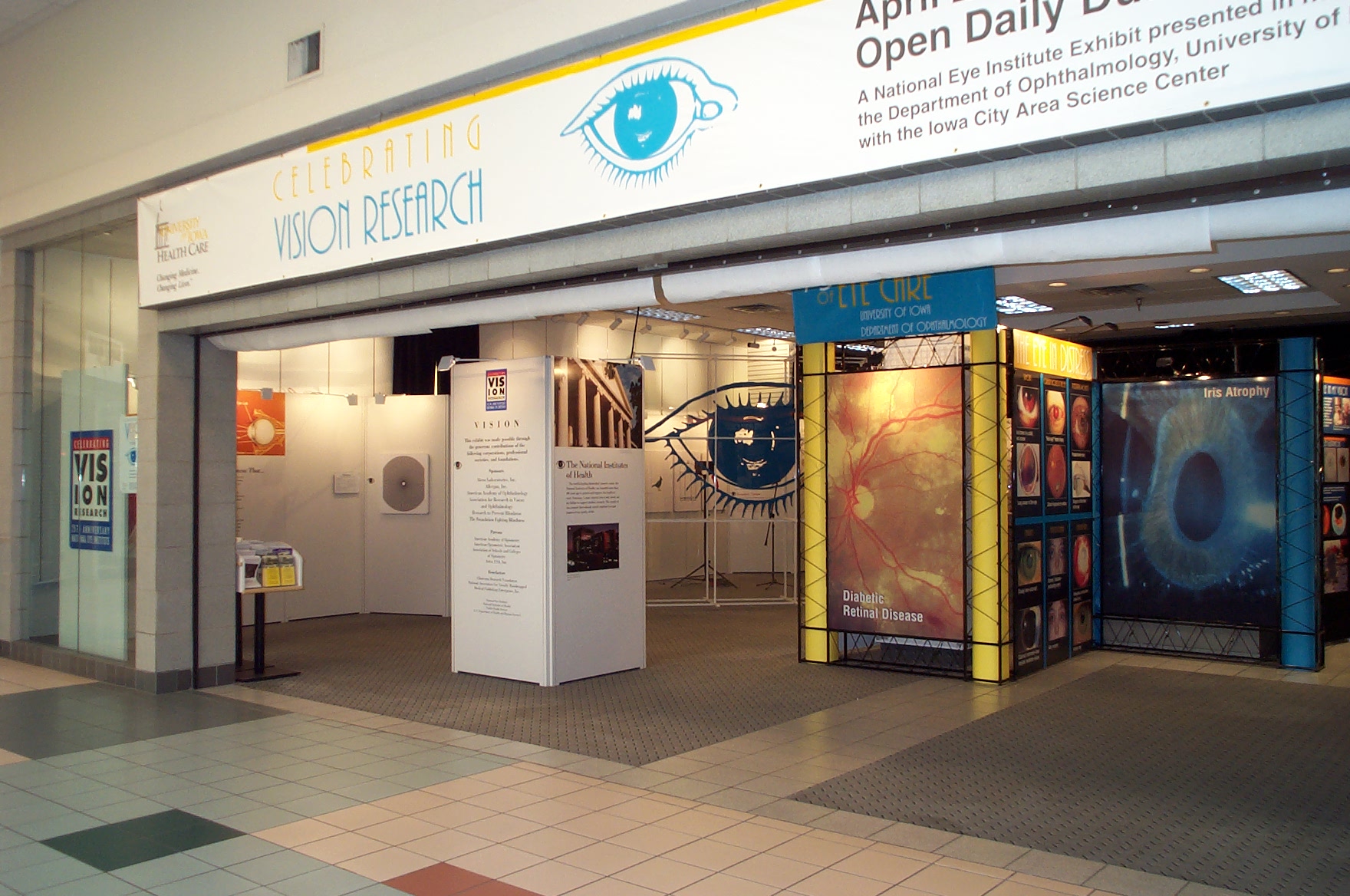
Department Celebrates 75th Annivesary
Coming To Your Senses
Department Gratefully Acknowledges Gifts
Gurau Educational Fund EstablishedFollowing the death of Dr. Henry H. Gurau, his daughter Peggy presented a bequest from her father of $50,000. The Henry H. Gurau Education Endowment will be used to support the education program of the department. Dr. Gurau, who practiced for many years in Des Moines, attended Clinical Conferences and other educational programs throughout his career. Lees Establish Faculty Support FundA gift of $30,000 from Mr. Henry Lee and Dr. Jan Lee will be used to establish the Dr. Susan Mosier Brown Faculty Support Fund in the Department of Ophthalmology. While traveling through Iowa, Dr. Lee suffered a corneal abrasion and decided to drive to the University of Iowa Hospitals and Clinics. After receiving care in the Emergency Treatment Center, the couple transferred to the Eye Clinic for further treatment. They were so impressed with the quality of care and professionalism of the staff that they wanted to provide support. "We felt the care we received from Dr. Brown and the staff of the Eye Clinic went far beyond the call of duty and we wanted to repay this in some way," said Mr. Lee. The gift will establish an endowment that will generate earnings to support faculty needs in the Department of Ophthalmology. Mr. and Dr. Lee also provided a gift in support of the UIHC Emergency Trauma Center in appreciation for the kindness and support they received upon their arrival. Snyders Create EndowmentThe William and Phyllis Snyder Endowment for Research in Inherited Eye Diseases was established by a gift from the Snyders. Earnings from this permanent endowment will be used to support research and education and ongoing studies related to inherited eye diseases, e.g., retinitis pigmentosa, glaucoma, corneal dystrophies, and macular degeneration. William Snyder, MD, completed his ophthalmology residency at The University of Iowa in 1961, and was a faculty member for two years before entering private practice as a retina specialist in Dallas, Texas.
UpdateOur 75th anniversary is cause for reflection and reason for pride, a time to take stock and a time to look ahead. Historical highlights of the department since 1925 are available on our website. During the past decade, remarkable changes have occurred. In February 1996, the department moved to the Pomerantz Family Pavilion. Due to continuing success, we are already running out of space and have begun renovations providing additional room for the Contact Lens Clinic, the Lions Eye Bank, and administrative service functions. New faculty are being recruited for Comprehensive Ophthalmology, Contact Lens, and the VA Medical Center, and other research and clinical faculty positions are likely to be created. Our expanding research needs will be met by increasing space in the Oakdale Research Facility, completion of phase one construction of the Medical Education and Biomedical Research Facility, and renovation of the Blodi Eye Pathology Laboratory. Three permanent endowments exceeding $6 million have been established through the support of alumni, friends, and the Roy J. Carver Charitable Trust. The Frederick C. Blodi Endowment supports the Blodi Eye Pathology Laboratory. The Robert C. Watzke Vitreoretinal Research Fund continues to grow and will support basic and clinical research studies dealing with diseases of the retina. The Roy J. Carver Molecular Ophthalmology Fund provides support for the study of genetic diseases including macular degeneration, retinitis pigmentosa, glaucoma, corneal dystrophies and a variety of potentially blinding hereditary ocular diseases. Smaller, but significant, endowments help support programs within the department that contribute to the success of teaching, research, and other academic pursuits. * The Charles D. Phelps Memorial Award recognizes faculty, medical students, residents, and fellows for contributions to the department (list of recipients for this and other named recognition awards and lectures available at website- http://webeye.ophth. uiowa.edu/dept/LEGACY/awards/awards.htm.). * The P.J. Leinfelder Award, given annually to residents and fellows for the best research presentations. * The Alson E. Braley Lecture and the Wolfe Foundation Lecture, presented annually. * The Hansjoerg E. Kolder Award for Excellence in Ophthalmology, presented each year to a deserving medical student. * The Hansjoerg E. Kolder Electrodiagnostic Laboratory Fund supports electrodiagnostic studies. * The 110 Chairs in Ophthalmology Fund and the Braley Enrichment Fund enhance ophthalmic education for medical students and house staff. * The Henry Gurau Education Endowment, established in 2000, will support
continuing medical education. (See story, above) The establishment of the Center for Macular Degeneration resulted in a major expansion of research personnel and space primarily through the efforts of Ed Stone, director of the Molecular Ophthalmology Laboratories, and Greg Hageman, director of Morphology and Cell Biology in the Oakdale Research Facility. The Center is expected to receive more than 20 million dollars from the National Institutes of Health, Foundation Fighting Blindness, Research to Prevent Blindness, and other philanthropic groups and individuals over the next five years. We also hope to establish permanent endowments to support each of the main units in the center. These are exciting times. We, like other academic ophthalmology programs and medical centers in general, face government audits and reduced reimbursement from Medicare, managed care and insurance. The extra income to help support research has nearly vanished. Even when we can squeeze additional funds from our budget by increasing efficiency or reducing expenses, we are often given less support and are chastised by newspapers and politicians for having made a "profit." Even non-profit organizations such as ours cannot operate without reserves for emergencies. Academic health care systems throughout the nation are in a precarious position. When we initiate new clinical programs, we are accused of engaging in unfair competition, in spite of the fact that state support is limited to care of indigent patients. How many Iowans know that UIHC received only $30 million last year for hospital expenses amounting to $50 million? Or that the state receives two-thirds of these funds back from the federal government? Or that these costs do not include physician fees which are not reimbursed at all? Departments do receive limited funding for teaching and some recovery of federal grant support through the College of Medicine. By and large, faculty support themselves and many support staff through grants and patient care revenue. In spite of these challenges, we continue to maintain outstanding faculty. Each is highly recognized within his/her field of expertise and dedicated to providing excellent patient care and teaching, and performing new and innovative basic and clinical research. Fortunately, few faculty have been enticed to leave, although many have been offered excellent opportunities and lucrative financial packages. My aim is to provide the best environment to enhance their careers. Our resident and fellowship training programs continue to attract the very best, and all our trainees continue to find excellent postgraduate positions. Change is difficult for most of us. Medicine is different than 10 or 20 years ago, but that does not mean it is not as good. Fortunately, in Iowa, we have exceptional faculty and staff, one of the very best facilities, and very strong support from the leadership of the University of the Iowa Hospitals and Clinics and the College of Medicine that make up the University of Iowa Health Care enterprise. T.A. Weingeist
Calendar 2000-2001Clinical Conferences
|
|||||||||||||||||||||||||||||||||||||||||||||||||||||||||||

 Research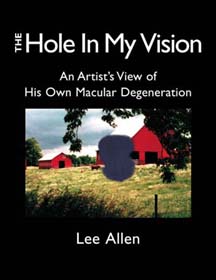
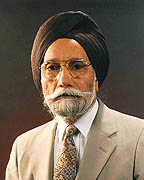 Dr. Sohan Hayreh
was granted a $60,000 Senior Investigator Award from Research to Prevent Blindness.
He is using the funding to pursue natural history studies on data collected
over the past 25 years on patients with retinal arterial occlusion, retinal
venous occlusion, anterior ischemic optic neuropathy, and carotid artery disease.
He is also continuing studies of associated systemic diseases, glaucoma and
ocular hypertension, giant cell arteritis, posterior vitreous detachment, morphometric
studies, retinal tolerance time to acute ischemia, and the pathogenesis of glaucomatous
optic neuropathy. In addition, he plans to compile and analyze a huge data base
covering several ophthalmic diseases.
Dr. Sohan Hayreh
was granted a $60,000 Senior Investigator Award from Research to Prevent Blindness.
He is using the funding to pursue natural history studies on data collected
over the past 25 years on patients with retinal arterial occlusion, retinal
venous occlusion, anterior ischemic optic neuropathy, and carotid artery disease.
He is also continuing studies of associated systemic diseases, glaucoma and
ocular hypertension, giant cell arteritis, posterior vitreous detachment, morphometric
studies, retinal tolerance time to acute ischemia, and the pathogenesis of glaucomatous
optic neuropathy. In addition, he plans to compile and analyze a huge data base
covering several ophthalmic diseases.